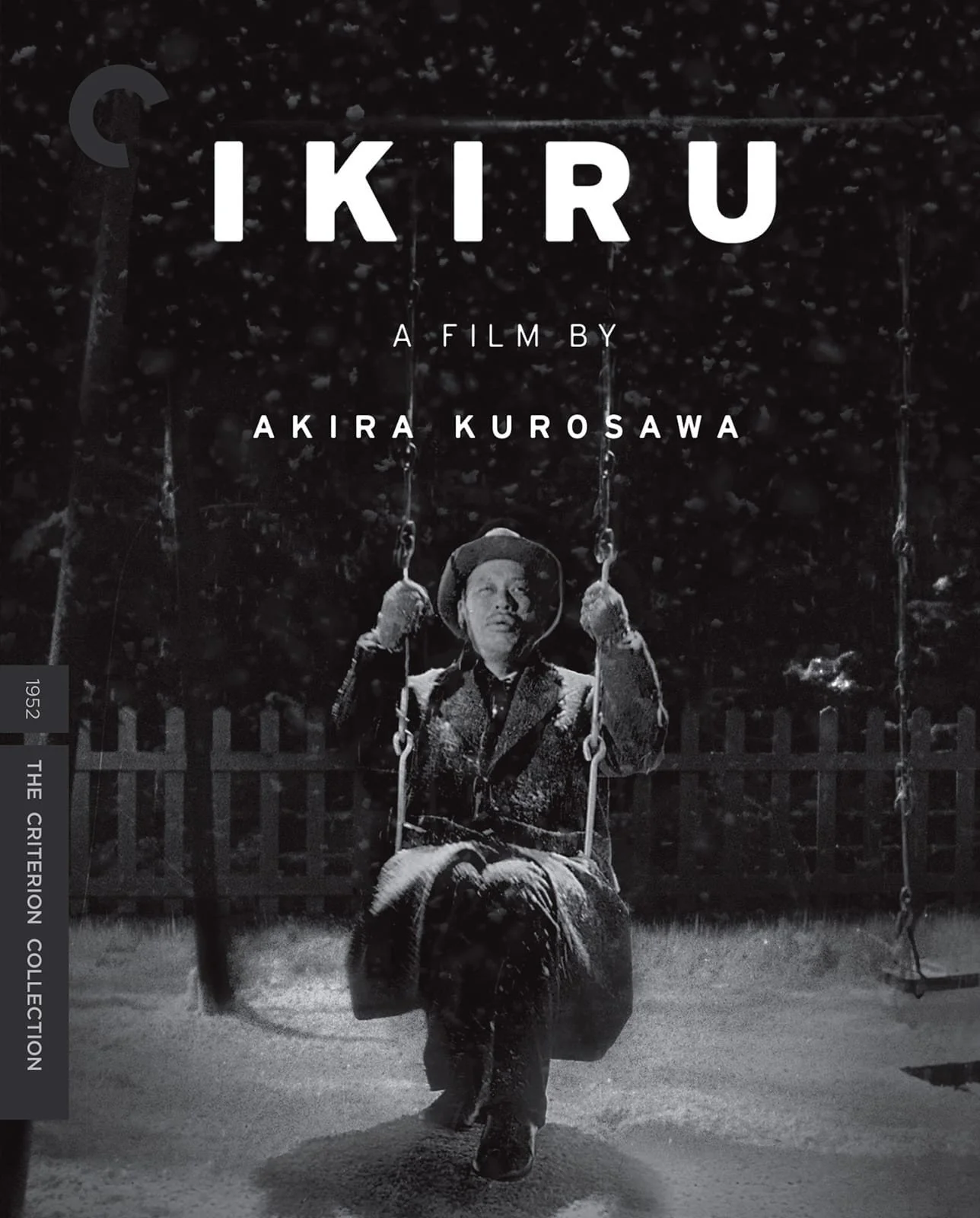
IKIRU (1952). Dir. Akira Kurosawa.
Akira Kurosawa. What’s there to say about this dude that hasn’t already been said by every other filmmaker that has come after him? He’s a good filmmaker isn’t he?
For those unfamiliar with his work, he is one of the most respected and visionary filmmakers to date. I hadn’t seen any of his films until today, but I had known of him and his legend for some time now.
As I was listening to a film podcast, I heard Akira Kurosawa’s name mentioned, and I got a little frustrated with myself because I didn’t get the reference. This had happened multiple other times as well. Immediately after the podcast, I said to myself that I wasn’t going to sleep until I watched a Kurosawa film. He has a lot of films, but one of the posters caught my eye and it was Ikiru.
What do we do with the time we have left? This is the overall theme of Ikiru. When translated, it means “To Live.” This is a theme and an idea that I have seen in many other films. One of the things I’ve learned through my years of consuming film (and art in general) is that it’s not about what story you tell, but how you tell that story.
That is what made Ikiru feel so fresh to me despite having seen other films with similar ideas. Ikiru is one of those films that sticks with you forever because of how human and relatable it is.
The structuring and pacing of the film worked very well for me. At no point did I feel like it was dragging. It is a deeply philosophical film that urges you to think a lot, yet it doesn’t make the story hard to follow in any way. In various parts, the film asks you what you would do if…? That alone keeps you engaged, but there is so much more the film does that is unique. For a film that came out 74 years ago, many of the themes could have been rinsed and repeated, but Ikiru stands the test of time.
There are so many scenes in this film that will stay with me forever because of how they were blocked. The positioning, movement, and framing of the characters told so many stories that didn’t need to be said. One of my favorite scenes ever is in this film. All the factors I just mentioned are in play in that scene. It was at this point that the first tear fell down my cheek. It’s also the “happiest” moment in the film. I put happiest in quotes because it depends on how you choose to read the scene.
HINT: Staircase
I wrote a 1700-word essay on what makes Ikiru a masterpiece for me. It probably won’t come out to the public, but I’m still deciding. It’s very scatter-brained, but I go into more spoiler-specific detail in the write-up.
I also want to say that this film may not be for everyone because it deals with subject matter that may hit too close for some people. If you are one of those people, then I would advise that you read the synopsis before getting into the film. I wrote a lot about Ikiru because it’s one of those films I want to keep as close to memory as possible.
For my first Kurosawa film, this wasn’t bad at all. I definitely look forward to diving into more of his work. I hear he has multiple masterpieces, so let me be the judge of that.

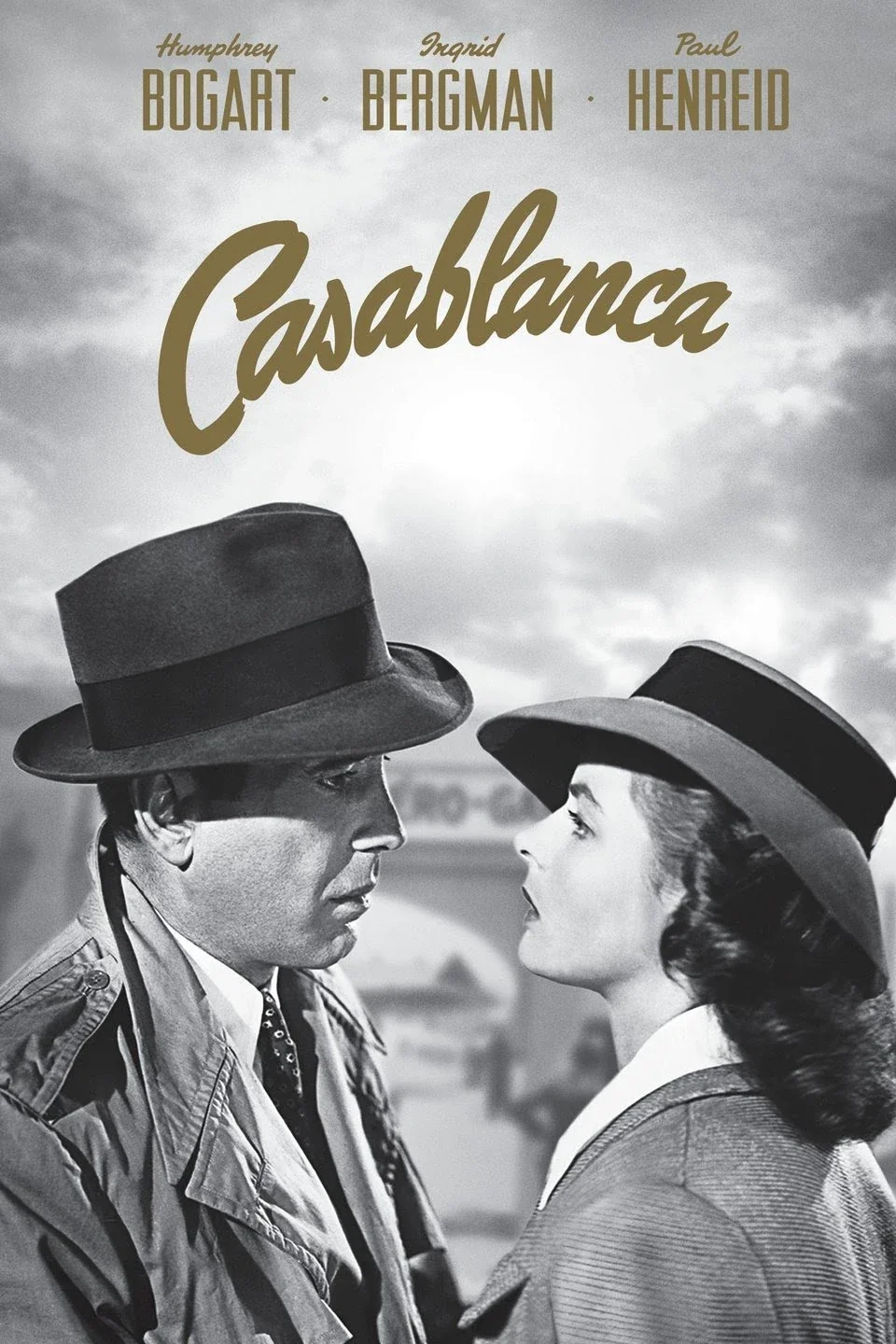
Casablanca (1942). Dir. Michael Curtiz
Casablanca had been on my to-watchlist for some time and luckily for me the local cinema was showing it. The moment I saw that it was showing I had to clear up whatever plans I had for that time. There was just no way I was going to miss out on the chance to watch Casablanca on the big screen. Of course I had known the great reputation of the film already so my expectations were rightfully high. I sat down in the theatre 30 minutes before the film started expecting to get interesting trailers in case anyone doesn’t know at most cinemas before a movie starts the trailers shown are usually curated for the specific film you are sat to see. So if you’re watching a horror movie, the trailers will be mostly horror movies. Anyways, I thought this would be the case for Casablanca but it wasn’t, unfortunately. Instead we were shown an insane amount of ads and some comedy film trailers. Honestly, maybe be I was expecting too much. They gave me Casablanca for goodness sake and I’m here crying like a spoiled child? They missed an opportunity to elevate the experience that’s all I’ll say.
So CASABLANCA, let me start off by reminding whoever needs reminding or anyone who is still yet to see it that the film is a masterpiece is storytelling. The genre of the film being Romance/War was so intriguing to me. There are many more genres you could add to describing the film because it truly had everything. The strongest parts of the film were dialogue, writing, cinematography, blocking, acting, and directing. It looks like I just listed all the characteristics of filmmaking… yes I did and yeah that’s how good I think it is.
My favorite thing about Casablanca is the writing (dialogue, story structure, and characters). I loved how funny and punchy the dialogue throughout the film was. It makes for such memorable lines. The lines really are catchy because I had heard two lines from this film before. I had no idea this was where it originated from. I would say, in my exploration of classic cinema one thing I enjoy the most is just that. You can tell the actors also enjoyed reading and performing those lines. The main character played by Humphrey Bogart had what I honestly think is one of the best and most wholesome character arcs I’ve seen in film.
The film was also shot really beautifully. There’s one shot I loved so much. I won’t spoil it for anyone but all I’ll say to those who’ve seen the film is RAIN. I would assume shadows were heavily used in the black and white era of film but I loved how Michael Curtiz chose to use it in his visual storytelling.
Tight and nothing wasted. No wasted shots or scenes. It is amazing to me how Michael Curtiz was an able to cut this film to just 1 hr 42 minutes. The efficiency he’s working with here is incredible because the film is quite fast paced and there’s so much information we are taking in as an audience but it never feels overwhelming to me. I was fully invested in the characters and plot. There are some other fast paced films out there that will cut out important slower scenes or even remove them completely just to keep film under a specific time limit. Casablanca has those slower and reflective moments and it does not feel like it’s sacrificing anything. That’s credit to the writers, director, and editors.
I could talk about this film for hours but I would definitely be getting into spoilers talking about my favorite lines, scenes, and characters. I’m sure for a lot of people who haven’t seen the film at least have heard a few of its iconic lines. I loved every minute of Casablanca and would recommend to everyone to see at least once. It’s a very powerful and wholesome film despite it taking place during World War II. There were so many moments from this film that are now stuck with me. It was such a powerful film about community and love. If you can connect with those things and everything else I’ve mentioned then Casablanca is worth the watch.
~ Gerard Odigwe
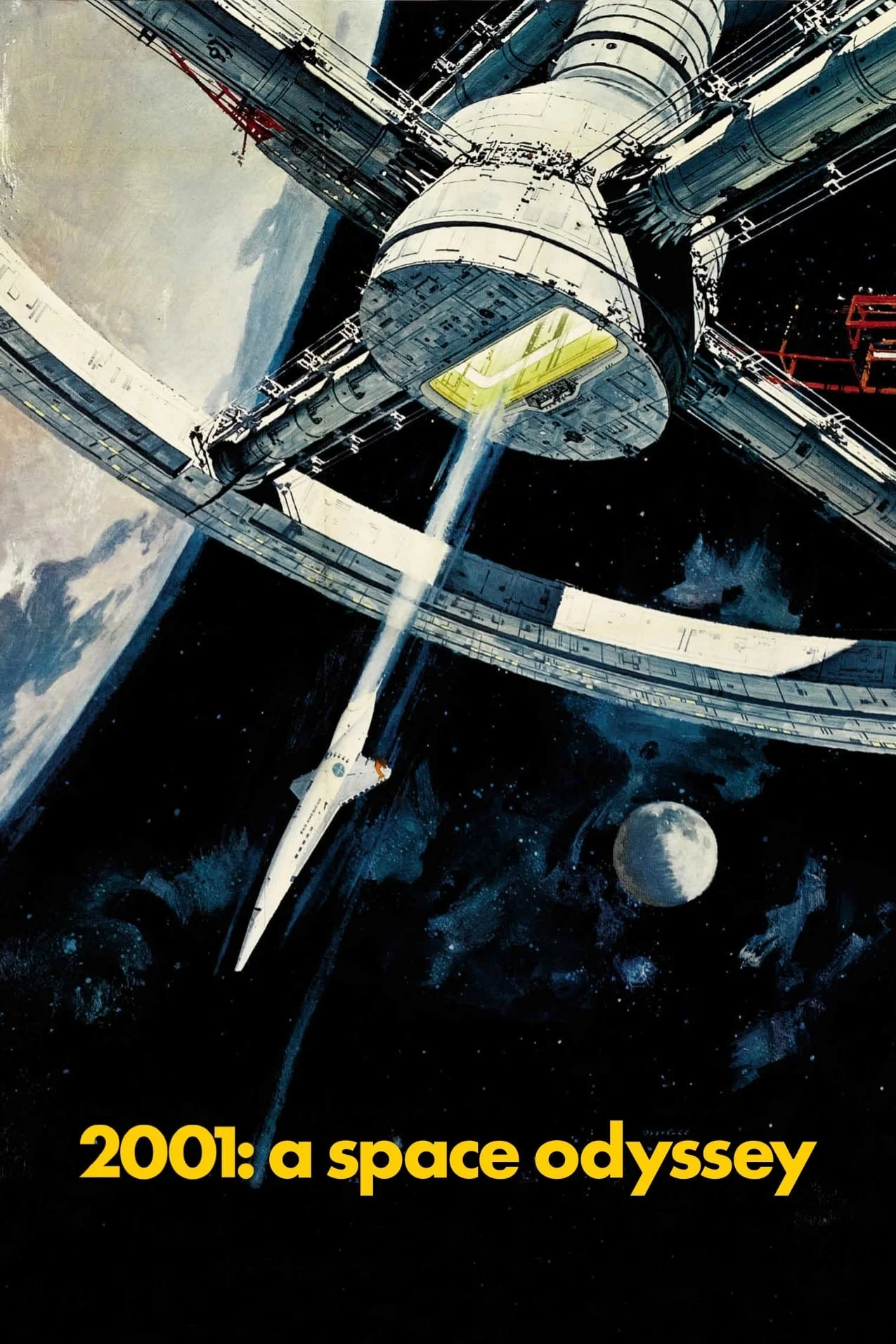
2001: A Space Odyssey (1968) Dir. Stanley Kubrick
This film has been on my list ever since I first saw Christopher Nolan’s Interstellar about six years ago. Every year, just before the New Year, I go through my watchlist and see 2001: A Space Odyssey staring back at me. It’s always the first title that catches my eye as I scroll through the rest.
During the first two years it was on my list, it was just a casual, “Yeah, I’ll get to it at some point, along with everything else.” But as time went on, my thoughts shifted to something more like, “Sci-fi? 1968? Wow… I’ll watch it later.”
Since then, I’ve become much more open to films from that era and even earlier, yet for some reason, it was still difficult to finally press play on this one. The truth I’d been too shy to admit for a long time was that, yes, I watch a lot of films, but the space sci-fi genre has never really been my favorite. Combine that with the fact that the film came out in 1968, and I couldn’t help but think, “What the hell would that even look like?”
Over the past six years, I’ve made a conscious effort to be more open to things I wouldn’t have been in the past. During that time, I’ve seen and experienced so many new things that I reached a point where, whenever I heard about a film whether it was foreign, silent, short, long, or sci-fi I felt open to watching it. Why not?
2001: A Space Odyssey.
In a way, I had to go through my own version of an odyssey before finally watching this film. For so long, I had this idea of sci-fi as just surface-level amusement without much substance and I was wrong at least in this case. What Stanley Kubrick did with this film is nothing short of a masterpiece.
His direction, the boldness, freedom, wonder, and humanity he shows. All of that alone is enough for a five-star rating. And then you add the cinematography, scoring, and writing.
1968??? That almost feels impossible to believe when you consider how far ahead of its time the film was, both in its filmmaking and its ideas. The movie feels completely timeless. Throughout the film, I found myself repeatedly checking its release year, simply because of how incredible it looked.
2001 was released at a time when computers weren’t available to generate images, meaning everything you see in the film was achieved practically. Take a moment and really think about that. This film puts many modern movies especially those that rely heavily on computer-generated imagery to shame, yet still don’t look nearly as good. There were countless moments where I found myself asking, How was that done?
It’s films like these that remind you of the magic of filmmaking.
The first 20 minutes of 2001: A Space Odyssey is one of the boldest and most fascinating choices I’ve ever seen a director make. I would have loved to be in a cinema in 1968, watching audiences experience this film for the first time. I can only imagine their reactions to witnessing something like this in an era when people had not yet been exposed to advanced technology or many of the space concepts the film presents.
Kubrick’s use of silence is so masterful, leaving the audience to observe, watch, and interpret. You can’t help but sit there and take it all in.
Kubrick’s intentionality in where and when he chose to score his scenes was so interesting. I think, to a degree, it’s key to understanding the plot.
I’ve seen this film twice now within one week, and I can say for certain that there’s no full understanding of the plot in a surface-level sense. But that’s the point—and it’s what makes this film so unique and, in my opinion, undeniably a masterpiece.
The ending of the film is one of the most ambiguous endings I’ve seen in any film. I know not everyone loves that, but I do, and it makes for a very memorable watch.
You can clearly see how many films and filmmakers have referenced and drawn inspiration from what Kubrick accomplishes here. There’s a reason 2001 was recommended to me right after I watched Christopher Nolan’s Interstellar, and I completely understand why now. Nolan, along with many other directors, has praised Kubrick and this film in particular for its bold and unconventional storytelling—especially for its time.
I started this review by admitting how closed-minded I once was toward 2001, because I know there are others who can relate to that feeling. So guys, girls, everyone turn on your TV, go to the cinema, wherever you are, and give this film a chance, or any other film you may have overlooked because the cover didn’t look interesting. See what happens. You never know it might turn out to be an amazing, or even life-changing, experience, just as 2001: A Space Odyssey was for me. You might even find yourself applying this mindset to other aspects of life as well.
~ Gerard Odigwe
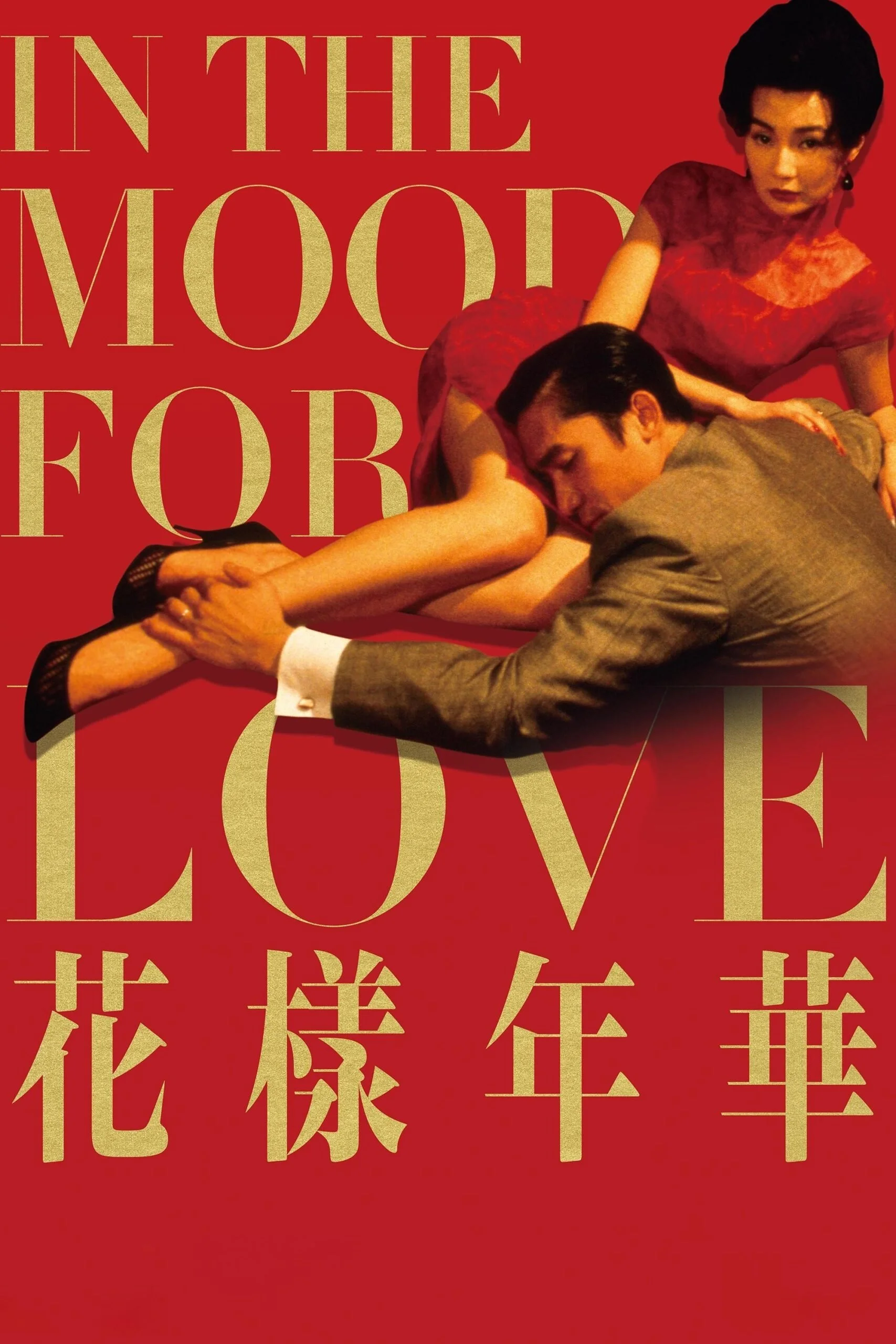
In the Mood for Love (2000) Dir. Wong Kar-wai.
I don’t think there are many ways to tell a love story better than this. What Wong Kar-wai does in this film is so interesting and beautiful. This was my first time watching In the Mood for Love, but it somehow felt familiar. It’s always fun when I watch an older film and realize how many filmmakers have been inspired by it. There’s so much I loved about this film.
In the Mood for Love is very unique compared to other romance films. I can’t say much without spoiling it, but there’s a choice Wong Kar-wai makes that I’ve never seen in any other film about love—and it works so well. The subtlety in so many of the creative choices is genuinely felt. These kinds of films are my favorite because they have this peculiar ability to hook you without being overt or loud. They usually stay with me longer than the more explicit ones. When watching this film, you really have to be alert and pay attention to every choice being made, because that’s the story. If you only focus on the dialogue, you’ll miss a lot of what the film is saying, and its impact won’t be as strong.
The cinematography was also really engaging. The way the characters were framed in relation to the sets was such an interesting choice, and it all felt very intentional. There’s so much meaning behind the shots, and they were incredibly impactful without needing expository dialogue to explain what was happening. I love these kinds of choices because they make me want to rewatch the film and catch the things I may have missed on my first viewing.
The scoring in this film was beautiful and helped move the plot forward. The scenes Wong Kar-wai chooses to place music behind are really interesting and unique.
The color grading, set design, costuming, and lighting were not just visually stunning but clearly intentional in how they supported the plot and characters.
The acting performances from Tony Leung and Maggie Cheung were incredibly subtle and deeply felt.
The plot of a film is usually one of the last things I talk about because, to me, a lot of the filmmaking choices are what make the story interesting. The plot typically influences the decisions made in the storytelling technique, but it shouldn’t overpower the filmmaking, in my opinion. The director’s vision should show not only in the story but in how it’s being told—otherwise, there’s no real difference between reading a book and watching a film. In the Mood for Love does a great job of keeping that balance. This is how directors make their names, not through plot alone but through their filmmaking choices. At least that’s what I think.
It may not be for everyone, but In the Mood for Love is definitely worth watching once, twice, or as many times as you want, because I can guarantee it gets better with each viewing. This is coming from someone who’s only seen it once, but I know for a fact it will be even better the second time. It’s also a relatable film to an extent.
~ Gerard Odigwe
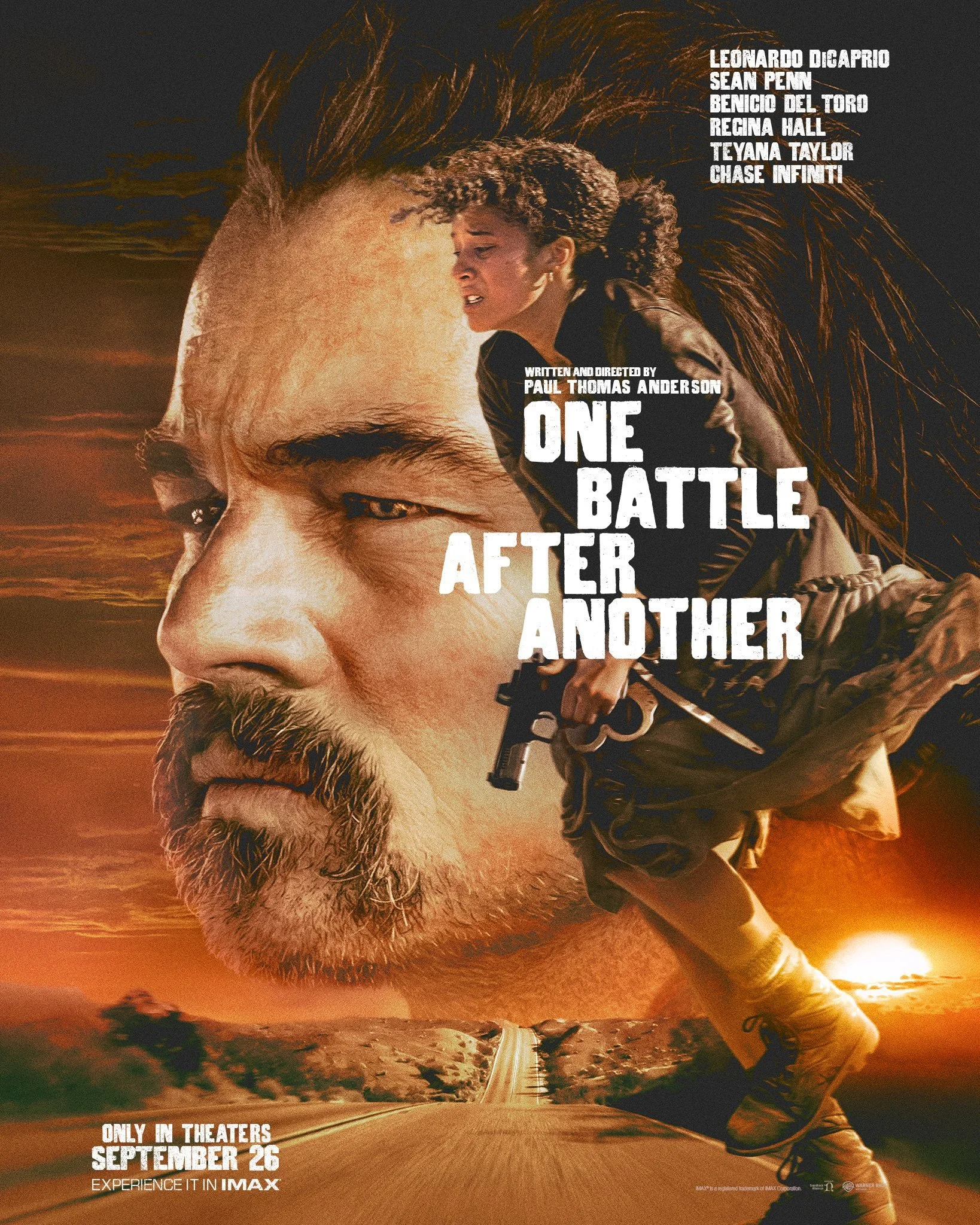
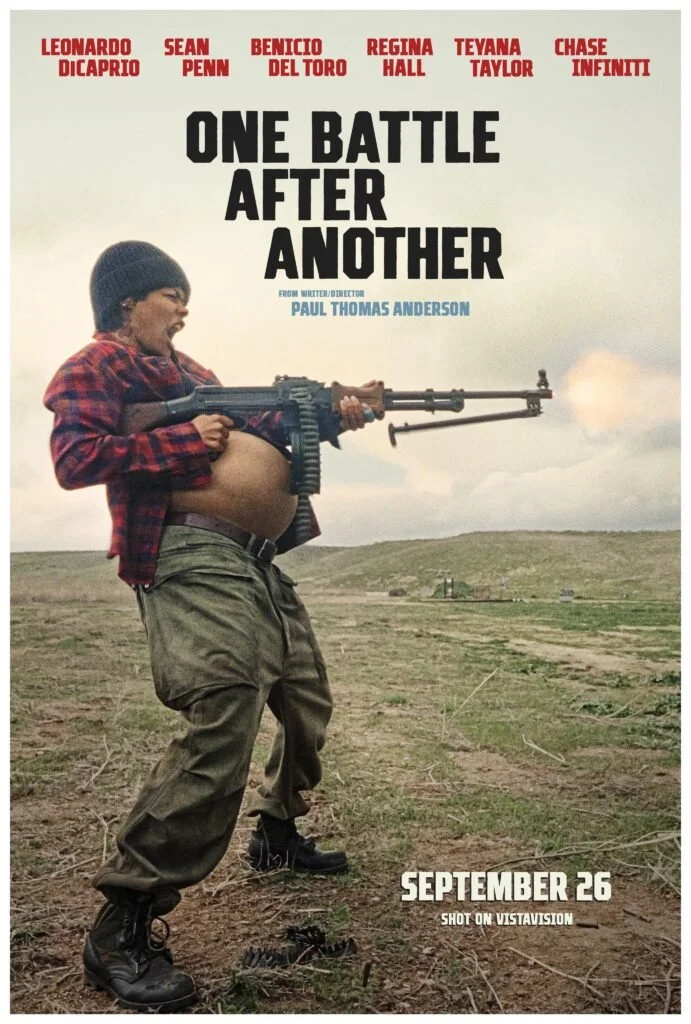
One Battle After Another (2025) Dir. Paul Thomas Anderson.
Film of 2025 for me at the moment without question. I do not believe in recency bias.
It’s been a while since I’ve seen a new film that has exceeded my expectations. Paul Thomas Anderson has cooked yet again a masterpiece piece that will live on for many years to come. I do not feel any hesitation in saying that it is a masterpiece and one of the best films of the past five years. My anticipation of this film came the first day I heard PTA was working on the film about a year ago. He is one of the rare directors that no matter what he’s working on I’m there and ready to love it. With One Battle After Another he has done something that I haven’t seen him do before and boy does he cook. Please big studios if you’re reading give these critically acclaimed directors the money to do what they want pleeeeease!
From a pure filmmaking standpoint this film is already a masterpiece. The direction of the pacing, the editing, the stunt choreography, the framing, wow!
The performances from every character was top tier. A few of them stood out for me though in no specific order, Leonardo DiCaprio, Teyana Taylor, Benicio del Toro, Sean Penn, Regina hall and Chase Infinity. That is literally the main cast but I needed to give them some more respect by mentioning their names.
Hearing that this was Chase’s first acting role in a film was astounding to me because the way she carried herself alongside these great names was so powerful without looking like a lesser actor. She looked so comfortable.
Rengina Hall’s performance was very strong too without needing to do too much. I always love when actors are able to make their presence and impact felt with having to say much but just through facial acting. Subtle but memorable. That kind of role can be easily forgotten when you are not the main character but all this just means more credit to Regina Hall. PTA is know for bringing out the best from his actors and he did the same here.
Benicio del Toro may be my favorite of all the characters but I’m not going to pick a favorite. What he brings to this role is something that I think only him could have brought. He commanded the screen with each scene he was in.
Credit to PTA for bringing out these performances from these great actors.
There are some scenes and shots in this film that were so creative and unlike anything I’ve seen before. That’s saying a lot for a film that has come out in 2025. You may say everything has been done before and you are right but there’s a way the best directors do it that makes it feel fresh. Long may we see more films like this.
The humor in this film was very unexpected but worked perfectly for me. I don’t usually love when comedy is inserted in films where there are high stakes… but it feels different here. I laughed out loud and was genuinely terrified for characters at moments in this film. PTA does remarkably in mixing in humor into a very serious film without reducing the impact of fear.
Johnny Greenwood’s score omg was so impactful and unique. It helped in building up the tension in a very fun and exciting way. It is not just background music but a character in itself. It plays such a crucial part in the story telling in the film. One of my favorites from this year so far.
One Battle After Another hits on all cylinders!
The excitement I felt in the theater watching this was so unexpected that I am wondering if the people who sat near me thought I was going insane. Just so you know when a film grips me like this i tend to talk to myself a lot. Not weird at all.
Paul Thomas Anderson if you’re reading this please I wish to be a fly on the wall during the filming of your next project. I promise you won’t even know I was there.
Sorry where was I?… Oh yeah the story also was so powerful. I heard PTA had been working on this film for 20 years. That’s crazy. For a film he started working on that long ago it is incredibly relevant today. In a way that is not preachy or judgmental in my opinion. It reminded me of Spike Lee’s ‘Do The Right Thing’ in that sense.
Super super entertaining film! Please if you can pay whatever it is and go watch it in the cinema. Please we need more films like these. I’m not getting paid for this promotion but this art form is so amazing and these films deserve to be seen on a big screen.
VIVA LA REVOLUCÍON!!!
~ Gerard Odigwe
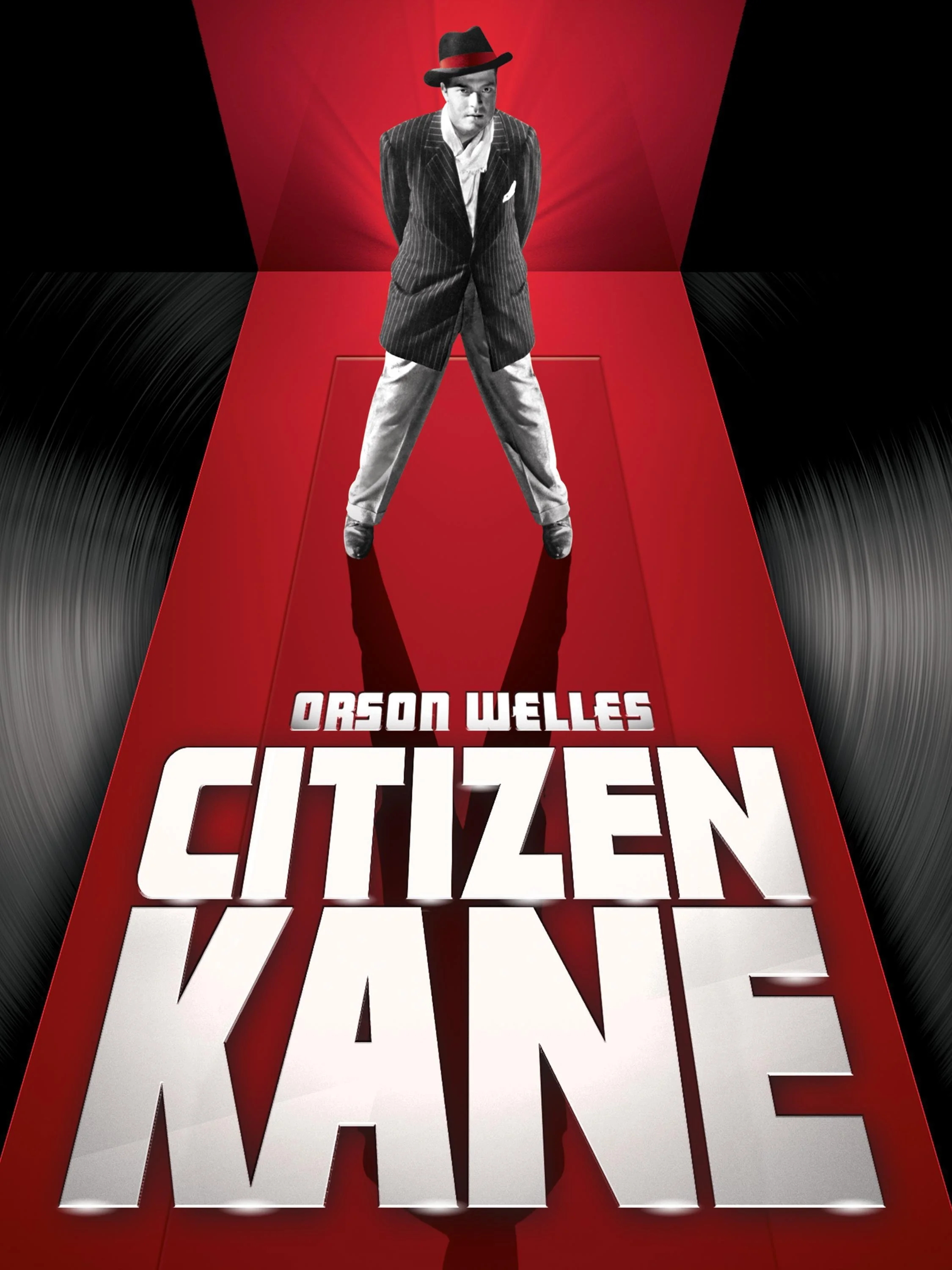
Citizen Kane (1941) Dir. Orson Welles
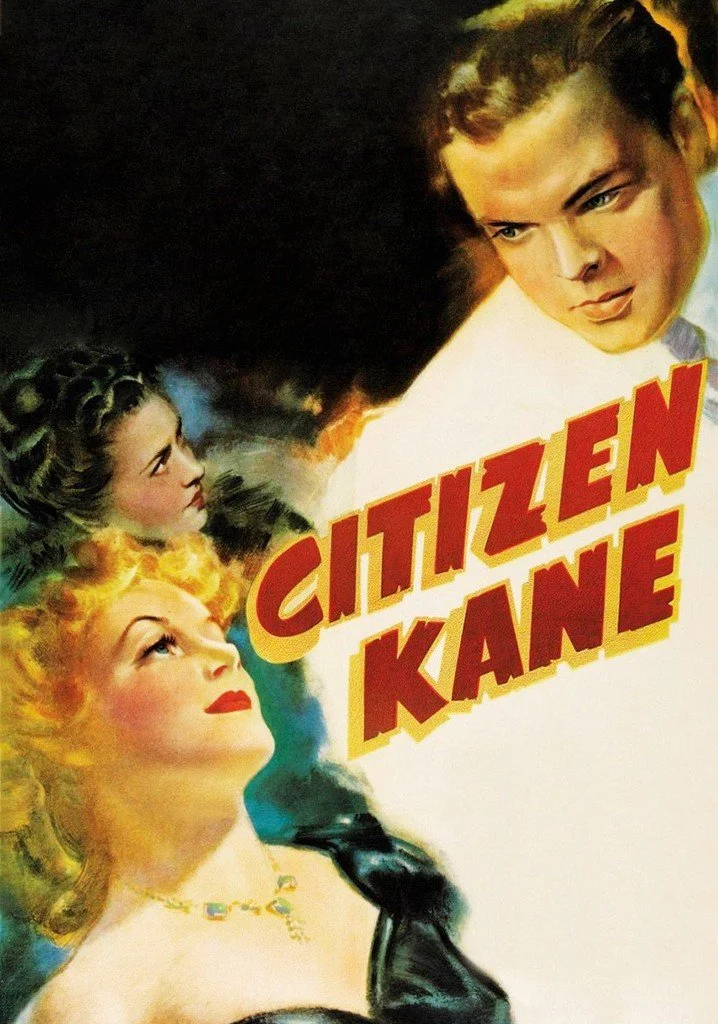
What is there left to say about Citizen Kane that hasn’t already been said?
I completely understand why so many people call it the greatest film of all time — and honestly, I might agree. Finally seeing it 84 years after its release really put things into perspective for me. Right after finishing it, I immediately looked up how it performed at the Academy Awards. To my surprise, it only won one Oscar — for Best Screenplay. But after digging a little deeper, I came to understand why.
When Citizen Kane was released, there was simply nothing else like it. It was so innovative for its time that it must have been difficult for audiences and even critics to fully grasp just how revolutionary it was. It’s incredible to think that this was Orson Welles’ first film — and that he not only directed it but also starred in the lead role at just 25 years old.
I’ve seen Citizen Kane sitting at the top of countless “greatest films of all time” lists, and after watching it, I completely get it. It’s one of the most objectively masterful films ever made, particularly because of how ahead of its time the filmmaking was. So many techniques used in today’s films can be traced back to what Welles and his team pioneered here.
From start to finish, Citizen Kane is an engaging film. Part of that comes from how it follows the main character through nearly his entire life, but the pacing and editing also play huge roles in keeping the audience hooked. The shot composition and framing are some of the most fascinating I’ve ever seen — which is astonishing considering it was made in 1941.
What amazes me most is how undated the filmmaking feels. For a movie this old, it still feels remarkably modern in its techniques and execution. That’s a true testament to how innovative it was.
I also love the film’s non-linear structure. It might not be for everyone, but I appreciate that it treats the audience like adults. It doesn’t waste time with unnecessary exposition — instead, it trusts you to follow along and piece things together.
Like I said earlier, almost everything that can be said about Citizen Kane has already been said. But I wanted to share my own thoughts on this epic masterpiece.
I completely understand that it might be a tough watch for people who aren’t deeply into films or filmmaking — and that’s okay. I won’t try to convince anyone to watch it. But if you do see this film and enjoy it, we could easily be best friends.
~ Gerard Odigwe
Eddington (2025) Dir. Ari Aster
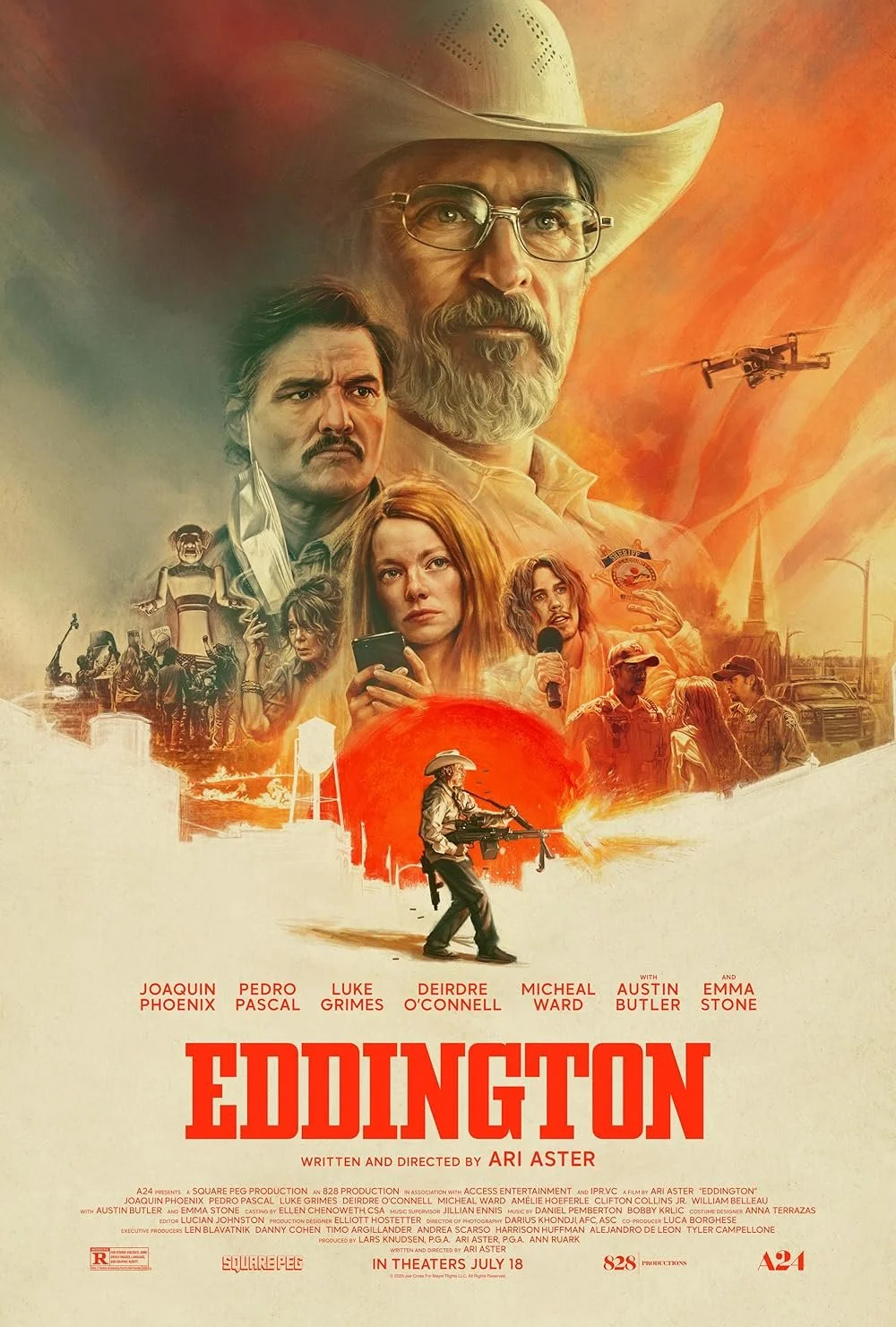
There’s a feeling you get right after watching a masterpiece that’s like no other. It’s not really explainable. After my first viewing of Eddington, I felt this way. On that day, all I could use to explain what I felt was excitement — and I couldn’t even put into sensible words why I felt that way. Eddington did that to me. I honestly couldn’t go more than three days without rewatching it. It’s a very divisive but entertaining film that fires on all cylinders and perfectly captures an insane moment in our lives that occurred not too long ago — and is still occurring today.
Before watching this film, I had seen so many different opinions on why it didn’t land for people. Knowing the subject matter didn’t help in raising my excitement for it. All of this kind of lowered my expectations for Eddington, but there’s power in experiencing things for yourself and forming your own opinion. In a world where we are overly exposed to the internet and social media, it’s a struggle to find time to think for ourselves and express how we feel as genuinely as possible. I know that’s the case for me at times, but I try. Eddington tackles this feeling in a fun and thrilling way.
I was incredibly surprised by how much I enjoyed Eddington. It may have been because my expectations were already low, but after seeing it a second time, I now know that’s not the case.
Joaquin Phoenix put in one of his better performances in recent times leading this film. He has this unique ability to become the character he plays. It feels weird calling him a “good actor” because it hardly ever feels like he’s acting — he fully becomes the character in a way not many people can. I also enjoyed Emma Stone and Austin Butler’s performances, mainly because of how little they were involved in the plot. Both being able to stand out here is a testament to how good they are as actors. Some may feel like they were underutilized, considering their talent, but I don’t feel that way because it fit the story.
I’m also a big fan of Ari Aster as a director/writer. He’s definitely one of the more unique filmmakers of today, alongside the likes of Yorgos Lanthimos and Robert Eggers. The films these directors choose to make are always so interesting and bold. This film has some of Aster’s most interesting characters and writing. I love how nuanced the characters are in this film. It made for a very memorable and relatable watch.
I always enjoy Aster’s blocking choices — how he fills each scene and shot with so much detail that’s so easy to miss in just one watch but fun to catch when you do. This really makes Eddington so rich and rewatchable.
There will be people who love this film. There will be people who really dislike it. And there will be people who are just like, “It’s okay.” It’s a very divisive film, and its divisiveness is very intentional in my opinion. It’s showing us the truth of our world. It’s also really funny in a real way — by far the most I’ve laughed watching any film this year.
Eddington is one of my favorite films this year. It is not a perfect film but is definitely worth watching if you can and forming your own opinion.
~ Gerard Odigwe
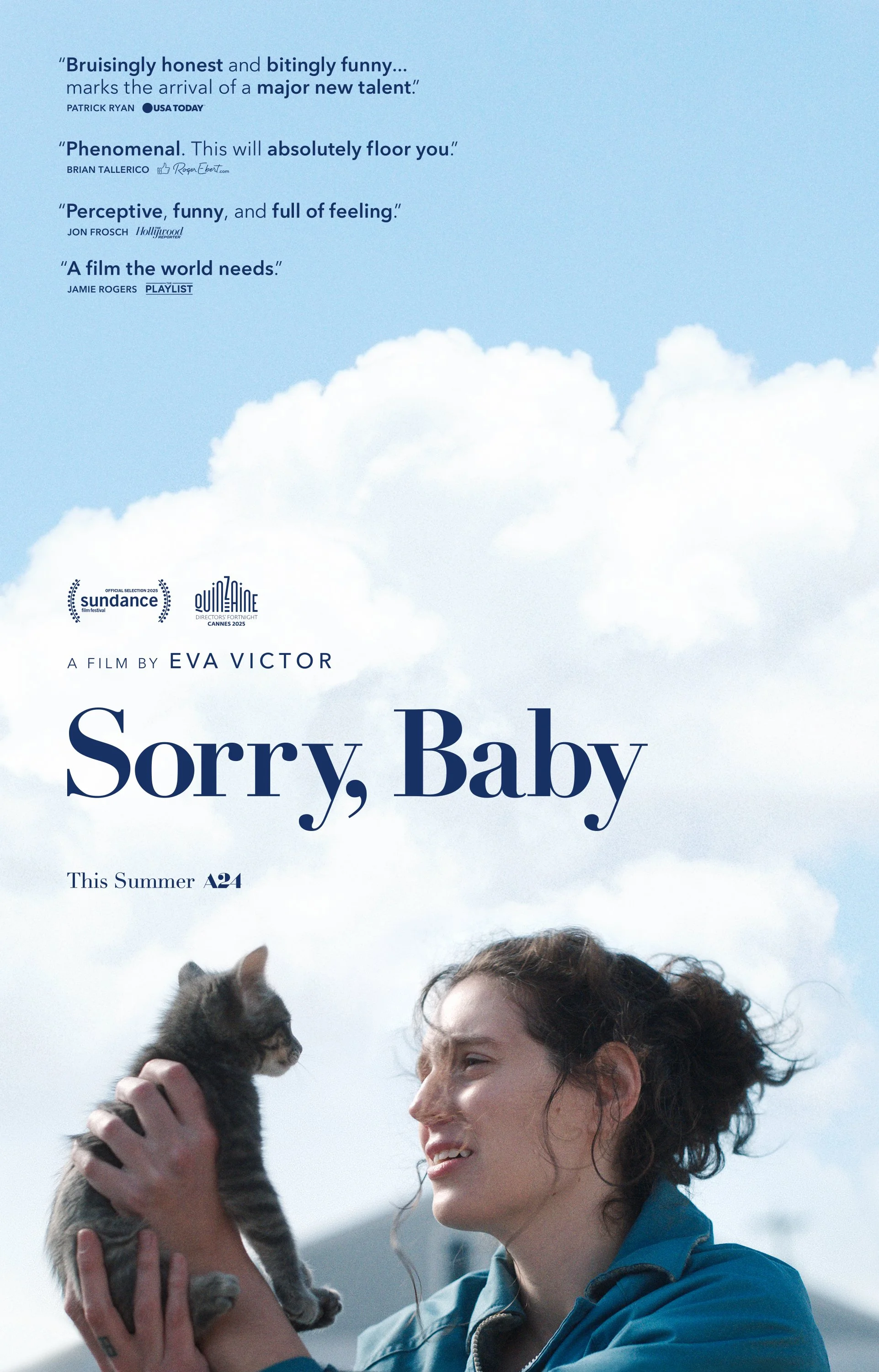
Sorry, Baby (2025) Dir. Eva Victor
I watched Sorry, Baby and then, less than 30 minutes later, I watched F1. In hindsight, that wasn’t a good idea because I struggled moving past the emotional distress the film caused.
It’s been a week and a half—and seven films—since I watched Sorry, Baby, and now I’m finally getting to this review. It’s long overdue, but the time in between has allowed me to really digest the film. Without spoiling I would say Sorry, Baby deals with a character who goes through something bad and then deals aftermath of living through that experience.
It would feel strange to say I enjoyed this film, so I’ll say I appreciated it. The subject matter it tackles is something that needs to be seen—or at the very least, acknowledged. I appreciated how delicately and subtly the story was told, while still fully getting the point across. A lesser director might have chosen to make it more of a spectacle, but that isn’t necessary for a story like this. The way Eva Victor chose to shoot and tell the story totally worked for me.
A few days ago, I decided to look up the name of the director and immediately thought they looked familiar. To my surprise, Eva not only directed the film, but also wrote it and played the lead role. I felt so silly afterward. It gave me a new perspective on the film—one that made my respect for it grow even more. Knowing that it’s based on a dark time in their life makes the subject matter hit even harder. This being a directorial debut also is really admirable.
I appreciate how the film was shot. It’s not the most well-lit film out there, but that would not have suited the tone of this story—a choice that makes complete sense.
I also appreciated the light humor sprinkled throughout the film. It felt very real and natural. I love how the film captures the idea that, even in a dark place, there is still positivity and happiness in the world.
Thought I’d keep this one short and sweet. This isn’t a film I’d force on anyone, but if you can handle it, go for it. And to anyone out there struggling—just remember, you are loved!
~ Gerard Odigwe
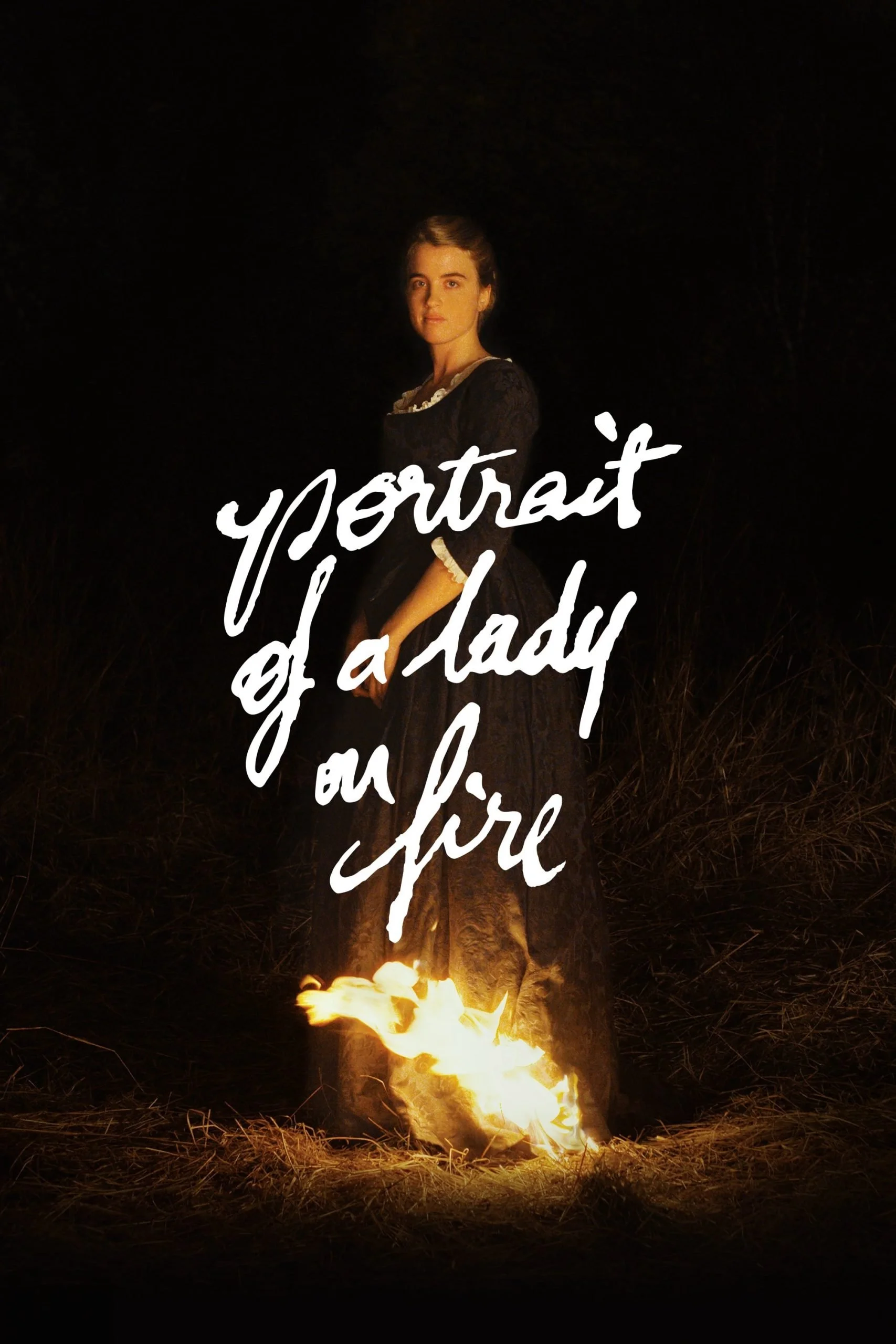
Portrait of a Lady on Fire (2019) Dir. Céline Sciamma
I saw Céline Sciamma’s Portrait of a Lady on Fire (2019) for the first time six days ago. It’s a two-hour-long French film. I enjoyed my first watch so much that I had to run it back today. I’ve spent the last five days thinking about this film—partly because of how beautifully it was shot, and also because of how intriguing I found the story. That combination definitely influenced my decision to rewatch it today. There’s something about beautifully shot period pieces that truly transports you to the time.
It’s a story about love and art from the female point of view—her gaze—in a society heavily influenced by the male gaze. It’s a type of story we don’t get to see enough of because they rarely go mainstream. I’m not a woman, but I gained so much from watching this film. You may not relate with the specific scenarios, but I think the story is broad enough that anyone can connect with—whether it’s about love, art, sexuality, or “societal obligation.” It’s not just a beautiful film; it’s an important one.
There’s so much subtle storytelling going on in this film that, if you’re not paying attention, you could miss it. Some of it isn’t as subtle, so it’s pretty easy to follow. But being able to catch those quieter moments of storytelling makes for an even more engaging watch. Usually, when I watch films, I’m locked in—trying not to miss any little details—but I know it’s impossible to catch everything. That’s why I choose to rewatch.
There are so many interesting and unique choices that the director, Céline Sciamma, and the cinematographer, Claire Mathon, made in telling this story that it makes the film an instant classic.
My favorite thing about this film is the silence. Because there’s so little dialogue, you’re forced to pay attention to other elements—which I loved. Things like the performances, the cinematography, and the symbolism. The film is very intentional with its use of dialogue and shot choices, so it feels like every word spoken and every shot selected means something. All of this made for a very compelling first and second watch.
Adèle Haenel and Noémie Merlant gave really strong performances that worked so well with the story. They played such interesting characters, and I couldn’t help but fall in with them. That’s also a credit to Céline’s writing and direction.
I understand this film may not be for everyone, but I’d say it was more than worth the watch. I really liked it and look forward to reflecting on it even more.
~ Gerard Odigwe
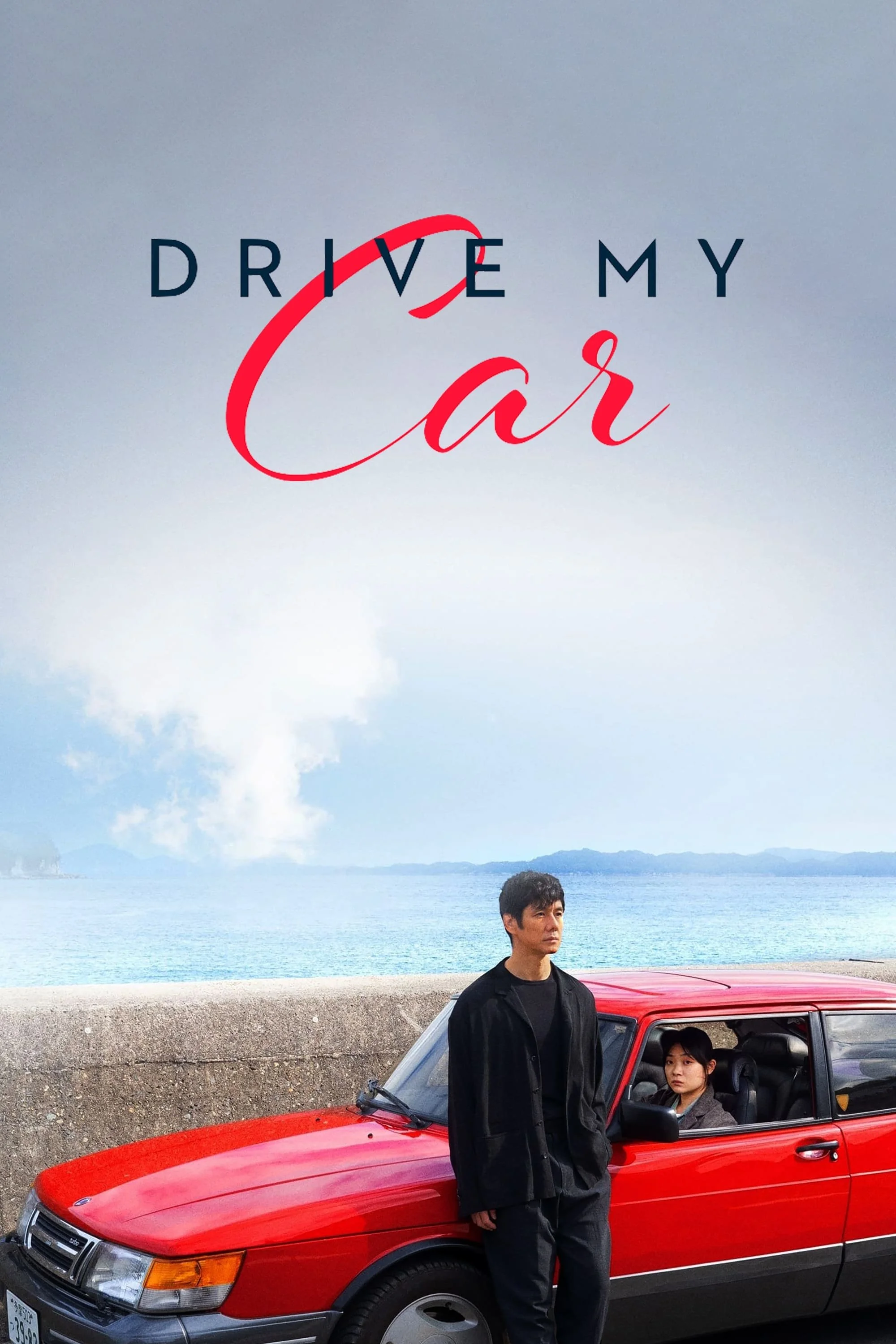
Drive My Car (2021) Dir. Ryūsuke Hamaguchi
It’s going to take some time for me to fully process this film. This three-hour experience spoke to me on multiple levels, and I believe it would do the same for anyone who watches it. Its themes are quite mature, and I’m really glad I took the time to see it today.
I’ll start by saying that this film doesn’t tell you what to feel or how to react, and that’s something I deeply respect. What it does so well is present its characters and their lives, allowing you to decide how you feel about them. In other words, this film leaves itself open to interpretation in a way that is deeply contemplative.
As I write this review, I’m struggling to find the right words to express what this film is making me feel. It would take me forever to fully articulate those emotions, but for now, I’ll say what I can.
I love this film so much.
There is so much to connect with and reflect on in this film. It explores its themes with raw honesty, and the way those themes are handled resonated with me. Watching films is very therapeutic for me, so when a film grips me and makes me self-reflect this much, it’s truly amazing. The themes in this film are deeply thought-provoking and compelling. I shed a tear during a few scenes, not just because they were sad, but because of how powerful they felt to me.
I mentioned how therapeutic films can be for me, but this one, in particular, felt especially soothing. The way it was shot, the sound design, the music, and even the performances all contributed to a very calming experience. The cinematography was subtle yet impactful, perfectly complementing the story. There’s a meditative feel to the film.
I loved the performances from Hidetoshi Nishijima and the rest of the cast—they all felt incredibly convincing. This film has a significant amount of dialogue, but every word felt necessary and pushed the story forward. The balance between dialogue and silence was deeply felt, and I especially loved the moments where silence was used as a storytelling device—I always appreciate when films do that.
I also want to commend writing in this film and the depth of the characters. It helped so much in connecting with the characters.
I’d also like to mention that this film requires patience, so if you’re going to watch it, you have to fully commit. Director Ryusuke Hamaguchi takes his time fleshing out the story, and I think his approach was not only effective but also necessary. The structure of the film worked for me—at no point did I feel like it was dragging or overstating its point. Given the subject matter, this storytelling approach felt entirely fitting.
I will be watching this again in the near future for now I’m going to reflect some more.
~ Gerard Odigwe
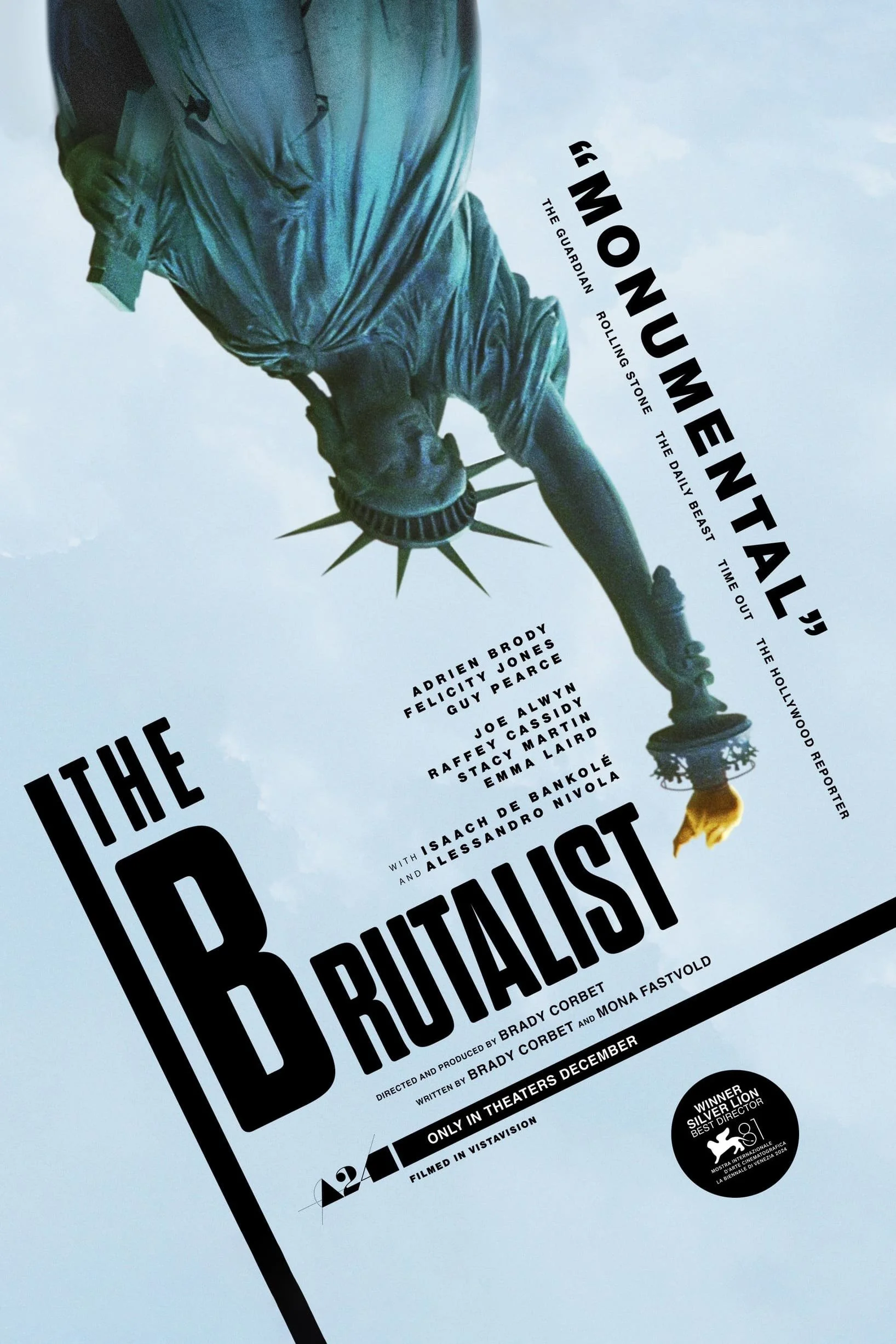
The Brutalist (2024) Dir. Brady Corbet
In this three-and-a-half-hour film, you will definitely feel the length. I talked about this before, in my review of Once Upon a Time in America, which had a similar runtime. The Brutalist was also a quite enjoyable long film. It tackles so many interesting topics. It is an epic, and it feels like one. In this review, I will be discussing my experience watching The Brutalist and what I enjoyed most about it.
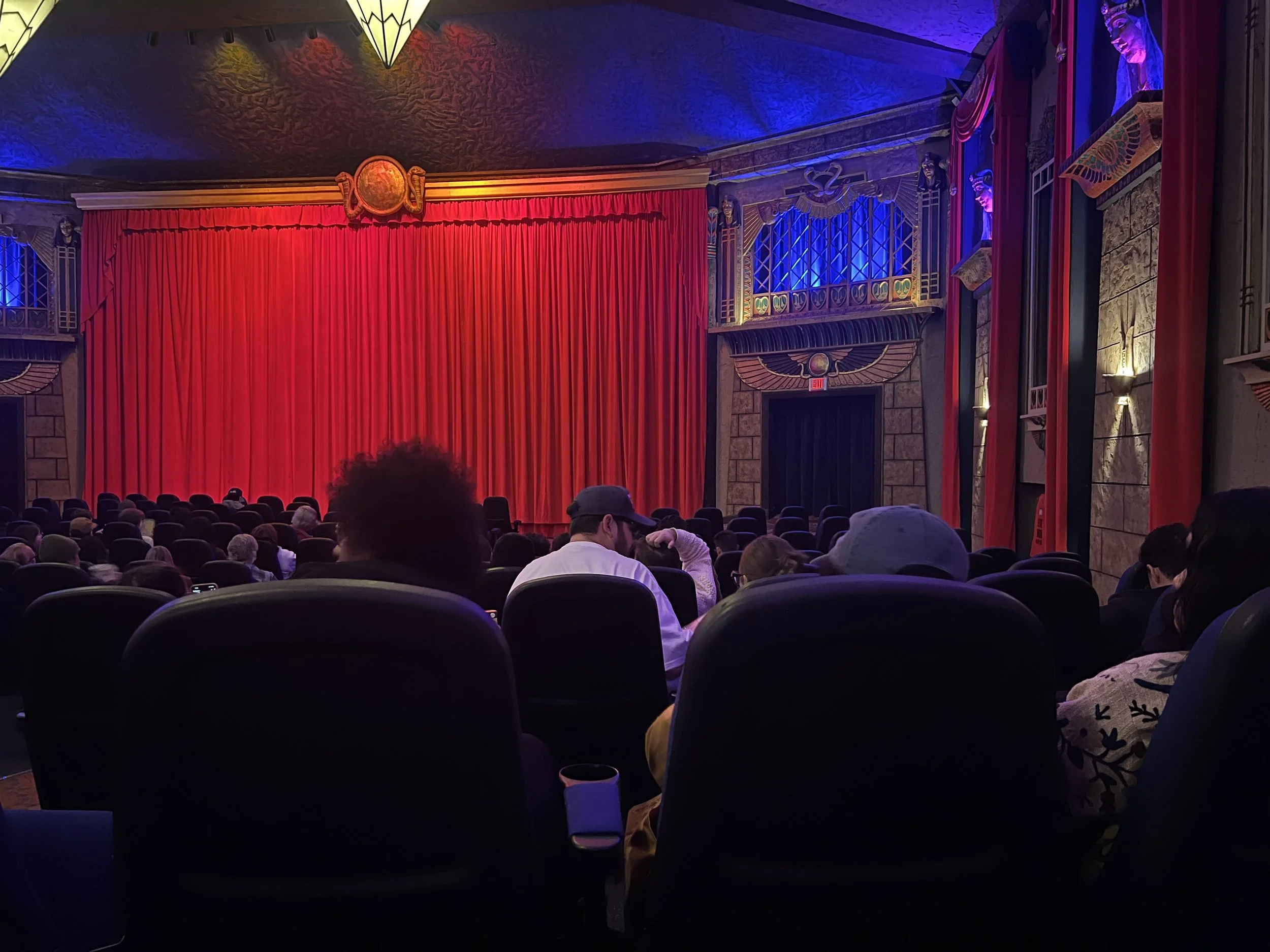
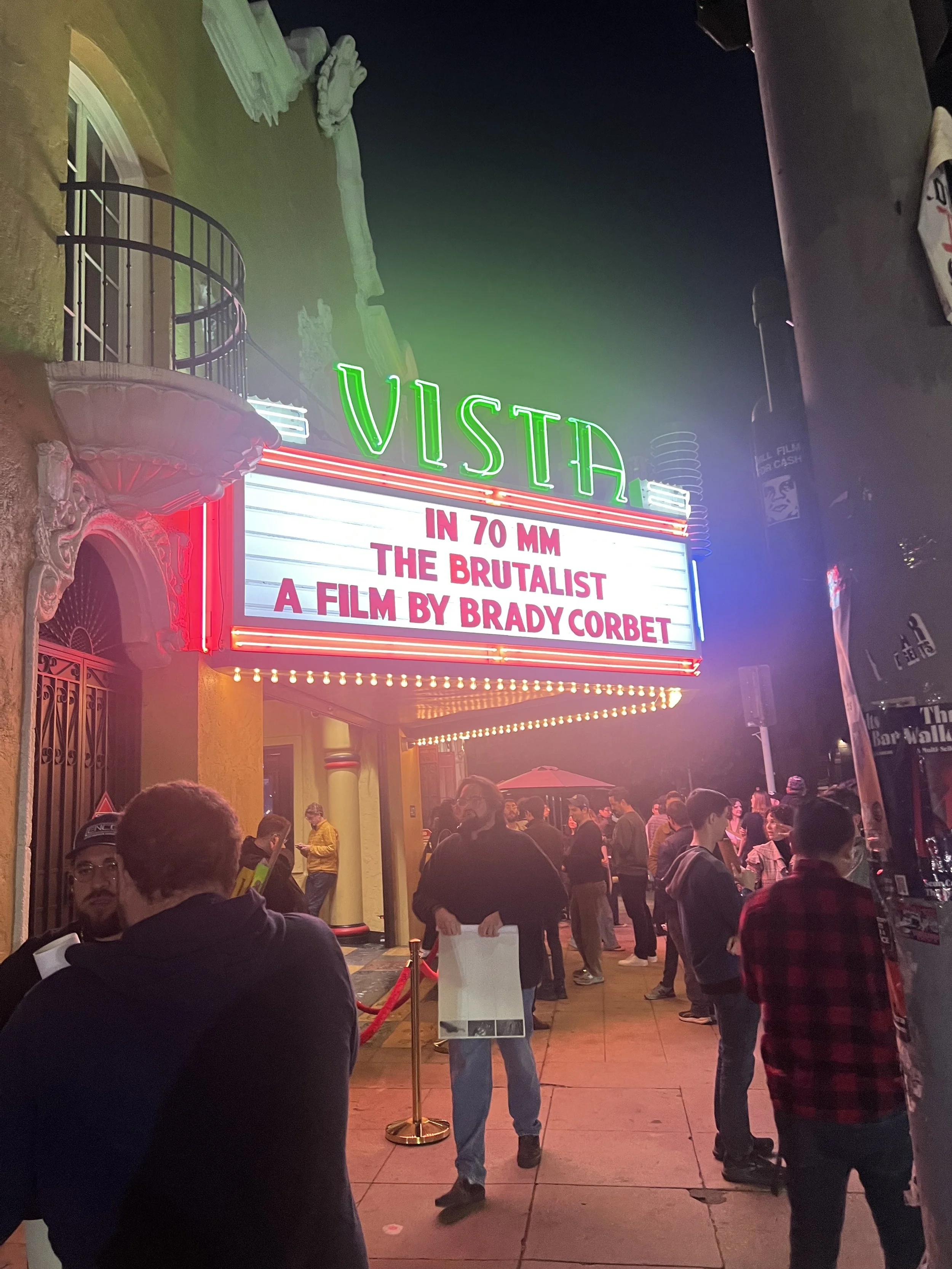
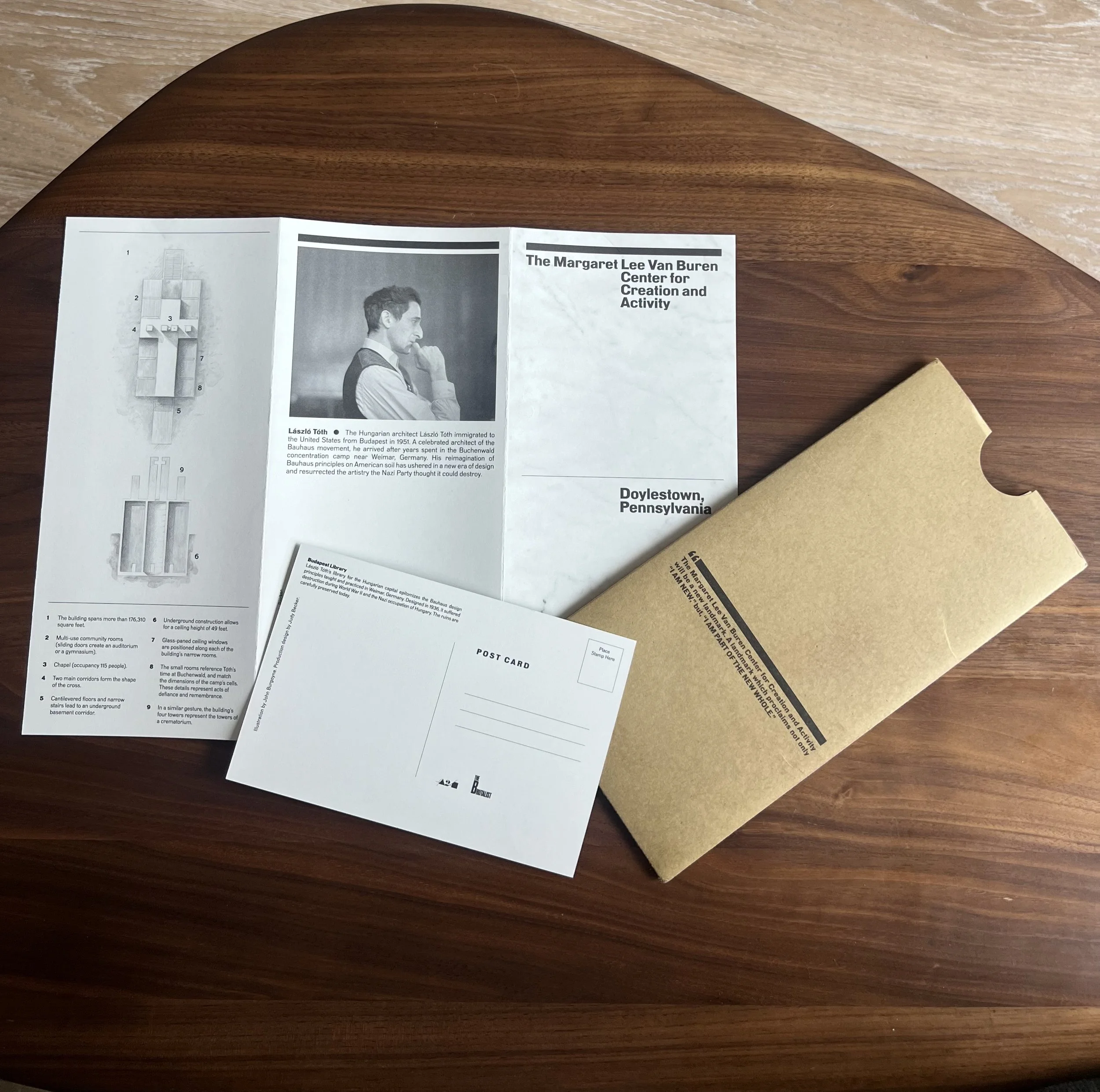
I saw this film at the Vista Theater in Los Angeles in December of last year. It was a really special experience—not just watching the film, but the way I saw it. At the time, it was one of only three cinemas showing it in the U.S., at least to my knowledge. At the Vista, we were also given pamphlets with fun bits of information about the film. It’s a vintage-style theater. As I sat down awaiting the usual pre-movie trailers, the curtains (yes curtains) opened to reveal a trailer for 1982’s Sophie’s Choice, followed by a few other trailers for older films, some even in black and white. I really couldn’t contain my excitement in the moment. Because of the film’s limited viewing locations, most of the people who made it to the cinema were also cinephiles, so I had never felt more at home than in that moment. The film itself added to the old-timey feel—with the era it was set in, the choice to use VistaVision cameras, and the implementation of a 25-minute intermission about halfway through. It all felt like I had entered a portal to an earlier time.
I watched it again a week later, this time in the less glamorous setting of an AMC. This time the intermission being 10 minutes shorter than it was at The Vista Theater. I just had to see The Brutalist again because, during the first viewing, I got a little too distracted by my excitement in the moment. The second time was definitely a more focused watch, which helped me enjoy much more about the film. I’ve just seen it again—this time in the comfort of my home. I watched it to refresh my memory of the film and to see if I still felt the same way about it today and yes I do feel even better.
The cinematography of this film was a masterpiece. Because it was a film about an architect, there were so many beautiful shots of landscapes and buildings. The shot choices all felt intentional. There’s a shot at the start of the film that has now become the most popular image from it—a shot of an upside-down, tilting Statue of Liberty. It’s such a provocative image once you see the film. That is easily my favorite shot from any of the films I saw—or that were released—last year.
The performances from Adrien Brody and Guy Pearce were my favorites in this film. I know the hype train for Adrien Brody’s performance in The Brutalist has come and gone, but I would still like to hop on. His performance was easily my favorite from last year. It wasn’t all that surprising, especially knowing he won the Best Actor Academy Award for his role in The Pianist, which was another great film. He was 29 when he won that award, making him the youngest man to ever do so. He definitely channeled some of that performance from The Pianist into his role in The Brutalist. The roles are quite similar, with both characters being Jewish during World War II. Adrien’s performance in The Brutalist was just different enough to earn him another Academy Award for Best Actor. Guy Pearce’s character was also quite good, playing that thin line between kind and condescending. Because the film is structured over three distinct time periods, it was fun to see the distinctions in their performances over the course of the film.
Having seen a lot of films, scores can start to sound pretty similar. But Daniel Blumberg, the composer for The Brutalist, did a great job creating a score that sounds truly unique. I’m not sure if anyone else felt the same, but some parts of the score actually sounded like construction to me. If you didn’t catch that, you’ll have to listen again to understand what I mean. It was clearly very intentional. I just love how much effort goes into crafting a piece of music that fully connects with the characters and the story being told. The atmosphere the score creates is palpable.
At the start of my third viewing—about six months after I first saw it—I heard the score in the opening scene, and the memory of seeing it for the first time at the Vista hit me all at once. That moment felt deeply nostalgic. It also reminded me just how good I thought the score was. After that viewing, I had to add a few of my favorite pieces from The Brutalist to my film score playlist I’ve attached to my website.
Another reason I loved this film was because I enjoyed—and could relate in some ways to—parts of the story. I am not Jewish, nor have I ever had to leave my country because of a war. What I’m saying is that there are aspects of this film that anyone could relate to, no matter who you are. For me, it was the idea of being in control of your work or art. I don’t like to be told what to do or be advised on what could have worked better in the work I do. I guess I’m stubborn like that—but really, it’s that I want to have the maximum level of creative freedom in my work. In The Brutalist, László is an architect fighting for full creative freedom in his architectural ideas, and I relate to that in a sense.
My favorite line in this film was from Adrien Brody’s character: “Is there a better description of a cube than its construction?”—a line that resonated with me deeply. I don’t often remember specific lines from films, but this one in particular has stuck with me ever since I saw the film for the first time. I remember hearing it in the cinema and just pausing to think about it. It made me smile inquisitively, thinking of an answer. After watching the film a third time, I now have a better understanding—not really an answer to the question, but an appreciation of its meaning. What I understand is that László was giving a deeply philosophical response to why he loves and chooses to do architecture. It’s a line that can be applied by any artist to the art they create. Another line from a different film that stuck with me in a similar way is: “You either die a hero or live long enough to see yourself become the villain,” from The Dark Knight, which I’m sure everyone has heard before. Both of these lines deeply resonate with the stories being told in their respective films.
I love the atmosphere in The Brutalist because it gives it a high level of rewatchability—regardless of the bleakness of the story at certain points. The atmosphere in this film is really created by the scoring, choice of time period, and the cinematography.
Brady Corbet did a great job directing and creating the visual language of The Brutalist. It’s such a dense film, especially given the sheer number of themes it tackles. I respect how ambitious he was with this story and how relevant he made it feel, regardless of the time period in which it’s set. His wife, Mona Fastvold, also deserves credit, as she co-wrote The Brutalist with Corbet. His choice to use stylized title cards at the beginning and at the ending making them slanted was a brilliant artistic choice in my opinion.
I have seen this film three times now, and it has only gotten better with each viewing. It is not a perfect film by no means but I enjoyed a majority of it nonetheless. I would recommend it to people who have strong stomachs and patience because of its length.
~ Gerard Odigwe
Black Swan (2010) Dir. Darren Aronofsky
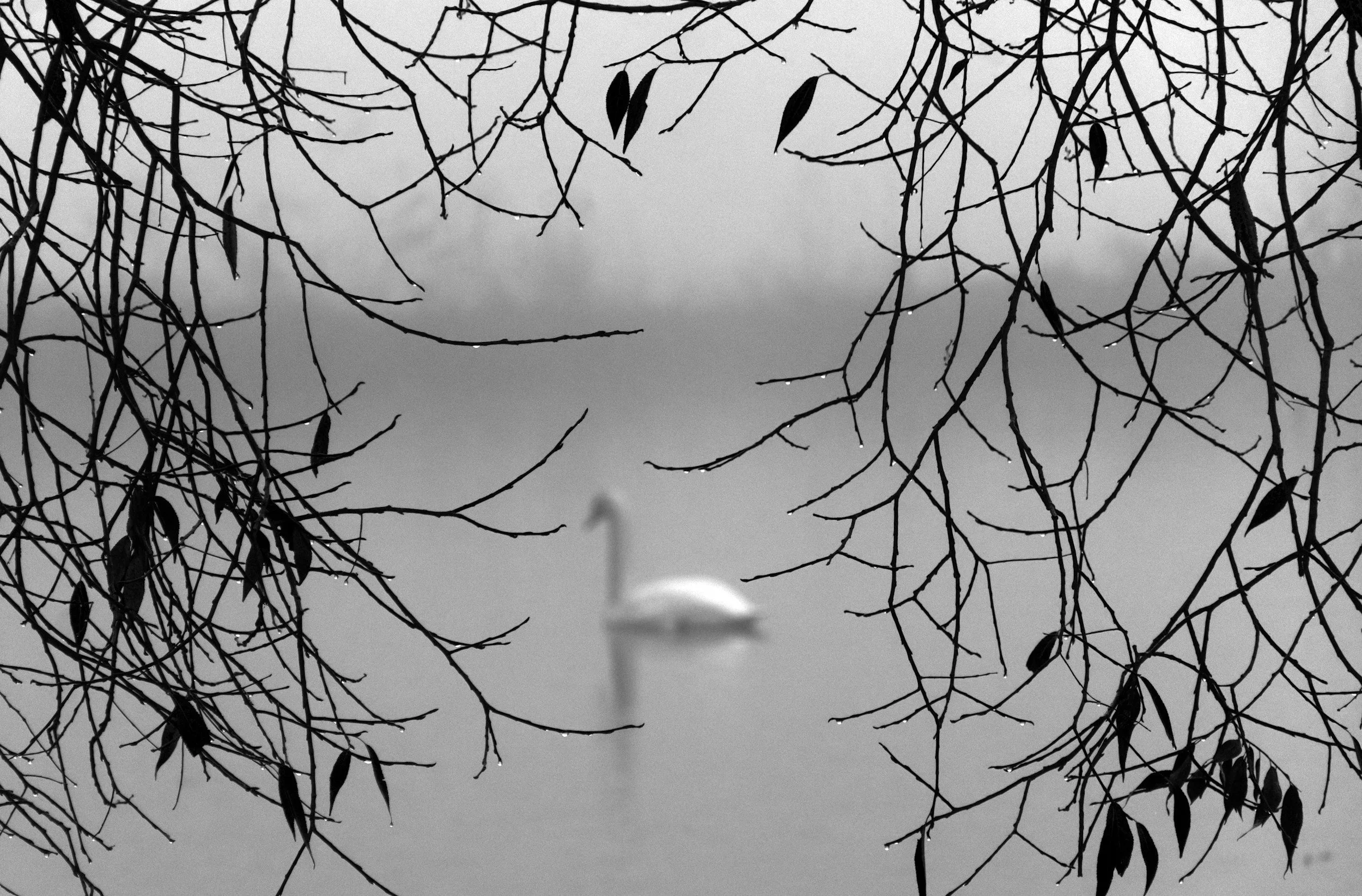
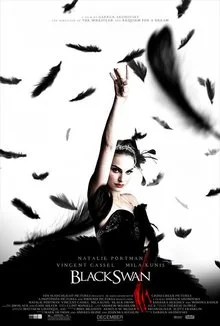
The first time I saw Black Swan, I was bewildered, shocked, and sad. Today, after rewatching it, I feel emotional, intrigued, and reflective. These are the two sets of feelings I’ve had after my first two viewings. One left me shocked and mostly confused; the other left an even bigger mark on me—a mark that I think will last for a long time. I believe this is because I watched the film at two very different points in my life. Thought it was great on both watches. It couldn’t have come back to me on a more perfect day. All of this is why I preach rewatching films.
The film is easily a cinematic masterpiece—one that can rightfully be regarded as a classic. It excels on so many levels: acting, directing, writing, and cinematography. These are my favorite aspects of the film.
Natalie delivered an eerily good performance in this film—one that makes me want to call her and ask if she’s okay. At no point did it feel like she was acting. Her ability to portray such a deep and complex character seemed completely effortless. I read that she spent a year learning ballet in preparation for this role, and she absolutely wiped it out of the park with that as well. Total dedication. She deservedly won an Academy Award for this performance, and it doesn’t surprise me one bit. I can’t praise it enough—honestly, it’s one of the greatest performances I’ve ever seen on screen.
I think the writing and directing deserve some praise next, especially after that performance, because they go hand in hand. This film slightly reminds me of the 1997 Japanese animated film Perfect Blue and Whiplash (2014)—both well-directed and well-written films. I won’t go into the connection they share because I don’t want to spoil anything, but they explore quite similar ideas in uniquely different ways. All masterpieces, in my opinion.
Addition: In comparison to Whiplash, I’d say they tell quite similar stories—Whiplash being more literal, while Black Swan is more psychological. Both are amazing in the way their stories unfold. Story this, story that—the story being about getting overwhelmed and lost in your craft to the point where it becomes detrimental to your health and social life (over-dedication). Nina in Black Swan gets consumed by her desire to become a great ballerina, just like Andrew in Whiplash is obsessed with becoming a great drummer. I love these two films because they use their respective professions as storytelling tools. Whiplash uses drums, along with the quick cutting in its score and editing, to give the film that jazz feel—highlighting Andrew’s chase to be a drummer in a jazz orchestra. Similarly, Black Swan uses its score and writing to express the world of ballet and the intense effort put into dancing by ballerinas.
The cinematography in this film is such an important piece of the storytelling. If you miss some of the shot choices, there’s a high chance you’ll also miss an important plot point. The way the cinematography, acting, writing, and directing interplay with each other is so unique and enjoyable—and it’s really what makes this a masterpiece in visual storytelling, in my opinion.
I also want to praise the VFX team, because their work here was perfect and beautifully put together.
A great film—worth a first, second, and many more watches, because there’s so much to pick up on.
~ Gerard Odigwe
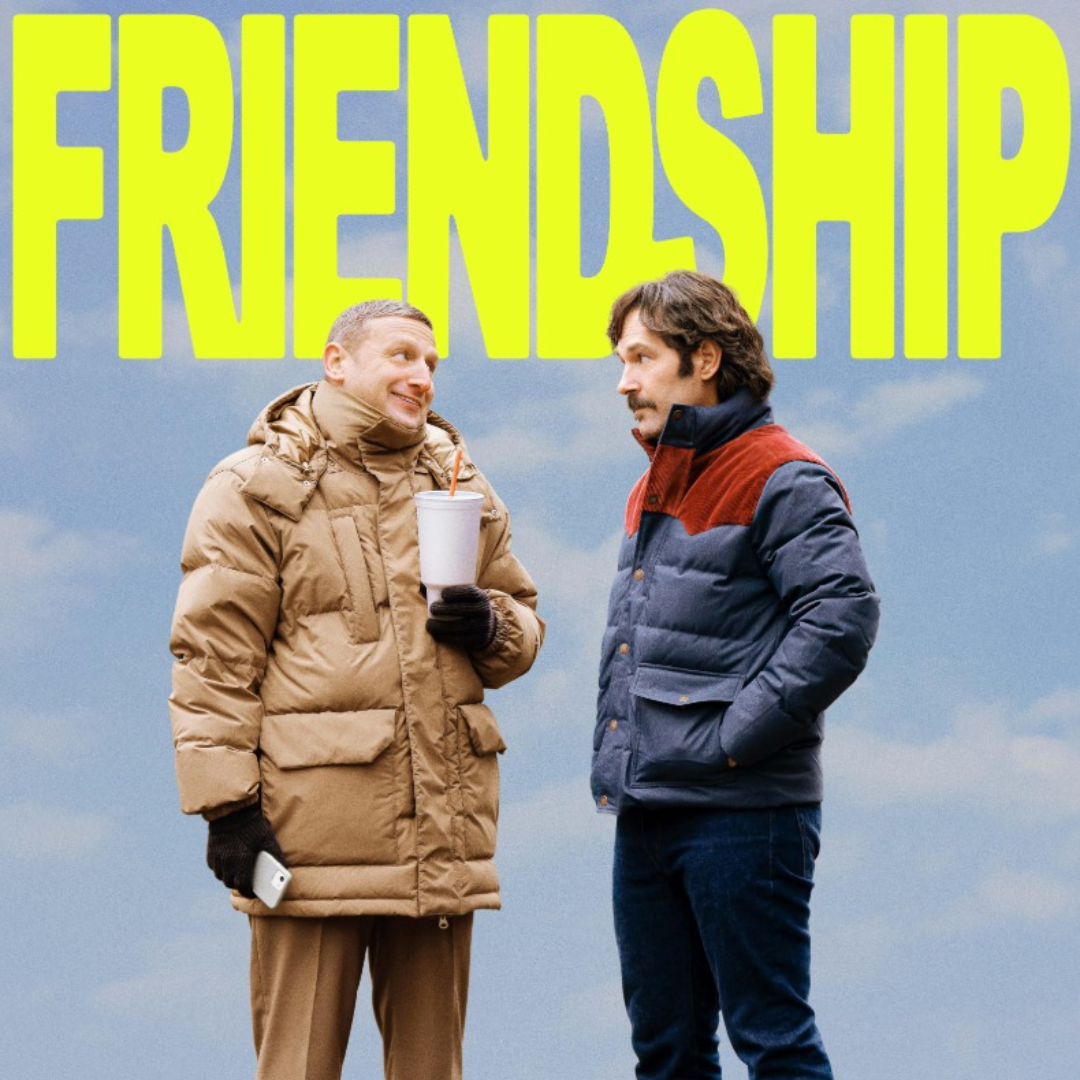
Friendship (2025) Dir. Andrew DeYoung
It’s been a while since I laughed out loud while watching a film. Sometimes, this is because I struggle with pure comedy films—by that, I mean when it feels like comedy for comedy’s sake. I appreciate comedy more when it’s written into the characters from the start of the film, rather than when it comes from characters who feel like they’re doing stand-up. What I’m trying to say is, I prefer comedy that has a story behind it. That being said, Friendship does this brilliantly, in my opinion.
I have to say, at the beginning of the film, I struggled a bit to get familiar with the comedy. This is normal, as certain types of comedy can be an acquired taste. It took me about ten minutes to acquire that taste, and honestly, it ended up working for me. It may not work for everyone though.
The characters are also quite relatable in a way that feels hilariously real. It’s as if the director or writer is telling an exaggerated story about something that happened to them or someone they know. I always admire it when directors can make the audience feel for characters who are actually really annoying. It’s usually because the character is the lead—we follow their story, see the film from their point of view, and understand why they are the way they are. I guess that’s why, in a film like Todd Phillips’ Joker, you sometimes find yourself supporting the Joker. It’s really all about perspective when you think about it.
Not everyone deserves to be sympathized with—but wait, it may sound crazy to say, but even for the worst of the worst people on Earth, if you were shown a film from their perspective, you’d probably sympathize with some part of their story. I find that interesting to think about, and I’ve been thinking about it ever since I saw films like Martin Scorsese’s Taxi Driverand Joker—two films that explore the idea of perspective.The story and characters in this film are actually really sad and depressing. But there’s something about the comedy in this story that works so well given the circumstances.
I enjoyed the editing and music placement—it really added to the comedic feel of the film. I feel like some comedic films forget that they’re films and just stack jokes on top of jokes, ignoring the fact that films are audiovisual. They often overlook visual storytelling in the editing, thinking it’s enough to just be funny. But the way a film is edited can elevate the jokes and sometimes even be funnier than the jokes themselves. More comedic film directors need to remember they’re making films, not skits.
I’ll conclude by saying that although I enjoyed the film and had a good laugh watching it, I struggled a little bit with the drama aspect. It worked for the most part, but I was left wanting a bit more from that part of the story. The part I’m referring to is the relationship between Craig and Tami, played by Tim Robinson and Kate Mara, as well as their relationship with their son. The wife and son, especially, felt a bit empty as characters. It seemed like there was an attempt to develop Tami and give her some depth, but they stopped midway. Although, knowing that this is a comedy, that might have actually been one of the jokes. If it was, then that part didn’t quite work for me.
~ Gerard Odigwe

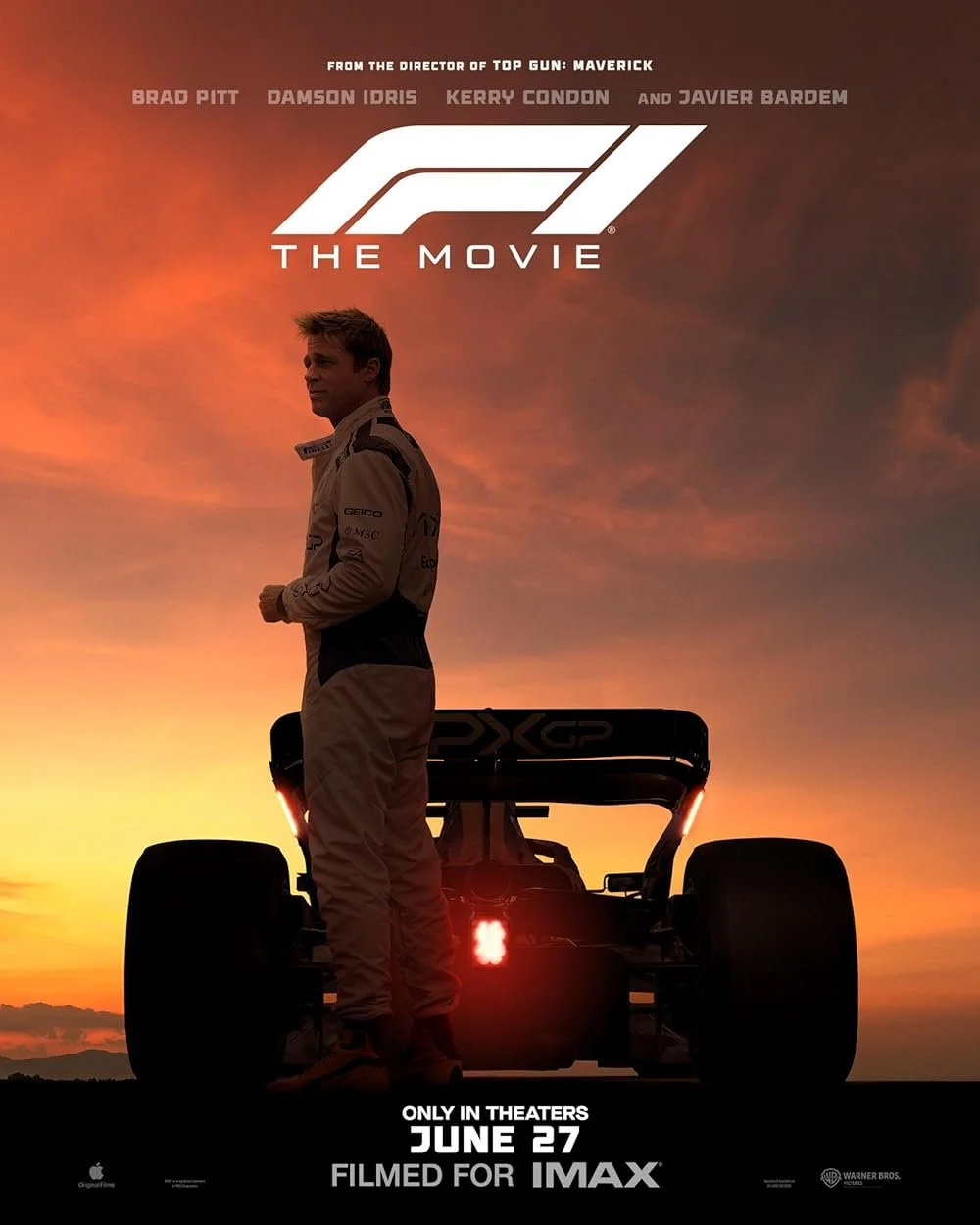
F1 (2025) Dir. Joseph Kosinski
Joseph Kosinski is back again with another expertly crafted film following Top Gun: Maverick. To go from making Top Gun: Maverick to F1 is a truly laudable feat. Just like he did with the jets in Top Gun, he has once again—this time with cars—made everything look incredibly cinematic. This is by no means the first film to make car racing feel cinematic, but there’s quite a bit I liked about this film as a whole.
The sound design in F1 was one of the standout elements for me. The speakers in the cinema where I watched it also amplified how deeply I felt the sounds in this film. In a film like this, sound design is especially important because the goal is to make the audience feel like they’re right there, watching the races live or even driving the cars. It definitely worked for me—I felt every vroom of the engine and every rumble of the tires. The way the sounds were mixed with the editing also added to how impactful each scene felt.
The cinematography here was really exciting, capturing the car races from multiple perspectives. Being able to see the races from different angles made it a truly immersive experience for me.
I really enjoyed the writing in this film. In a lot of movies, we mostly follow the main character’s story without caring much about the supporting characters’ arcs. But the writers of F1 do a great job of creating subplots for these supporting characters and making them genuinely interesting. I find it satisfying to see minor characters—who don’t have a major impact on the main story—still have their own arcs and moments, all without disrupting the overall narrative.
Brad Pitt gave a really powerful performance here once again. I’ve always known he’s a good actor, but seeing how he commands the screen and carries each scene without doing too much is truly masterful—a great actor proving once again why he deserves to be considered one of the best we have.
Kerry Condon’s and Javier Bardem’s performances were also standout moments for me. Kerry Condon’s character arc actually hit me even more than Brad Pitt’s or Damson Idris’s during my first watch. Her character was well written, and there was something in her performance that made me get really emotional by the end of the film. That might also be because I found her pretty attractive, lol—but seriously, she was great. I think this was my first time seeing Damson Idris in a film, and he definitely held his own. I hope to see him in more films in the future.
Having seen Ford v Ferrari, I couldn’t help but feel like I had seen parts of this film before. Don’t get me wrong—it’s still really good and enjoyable in a lot of ways—but I can’t ignore that observation. I just wasn’t as excited during some scenes because of how familiar they felt. This film might have been nearly perfect for me if I had seen it before watching Ford v Ferrari. Because of that, some of the plot felt slightly predictable. That said, like I mentioned earlier, this is still a very well-made and fun film, regardless of its similarities to Ford v Ferrari or other racing films.
I can’t leave without discussing Hans Zimmer’s impact on this film. Anytime I’m moved by a score, I have to mention it. Zimmer’s music adds an extra layer of oomph to the intensity of each scene, especially during the races. Watching the races is already thrilling on its own, with all the drama and tension, but Zimmer’s score takes it to another level. The sound design was so strong that the film didn’t necessarily need a score—but having Zimmer’s compositions alongside the driving just made the experience that much more entertaining.
This is for sure one of my favorites of 2025 so far. Definitely worth watching on the biggest screen possible.
~ Gerard Odigwe